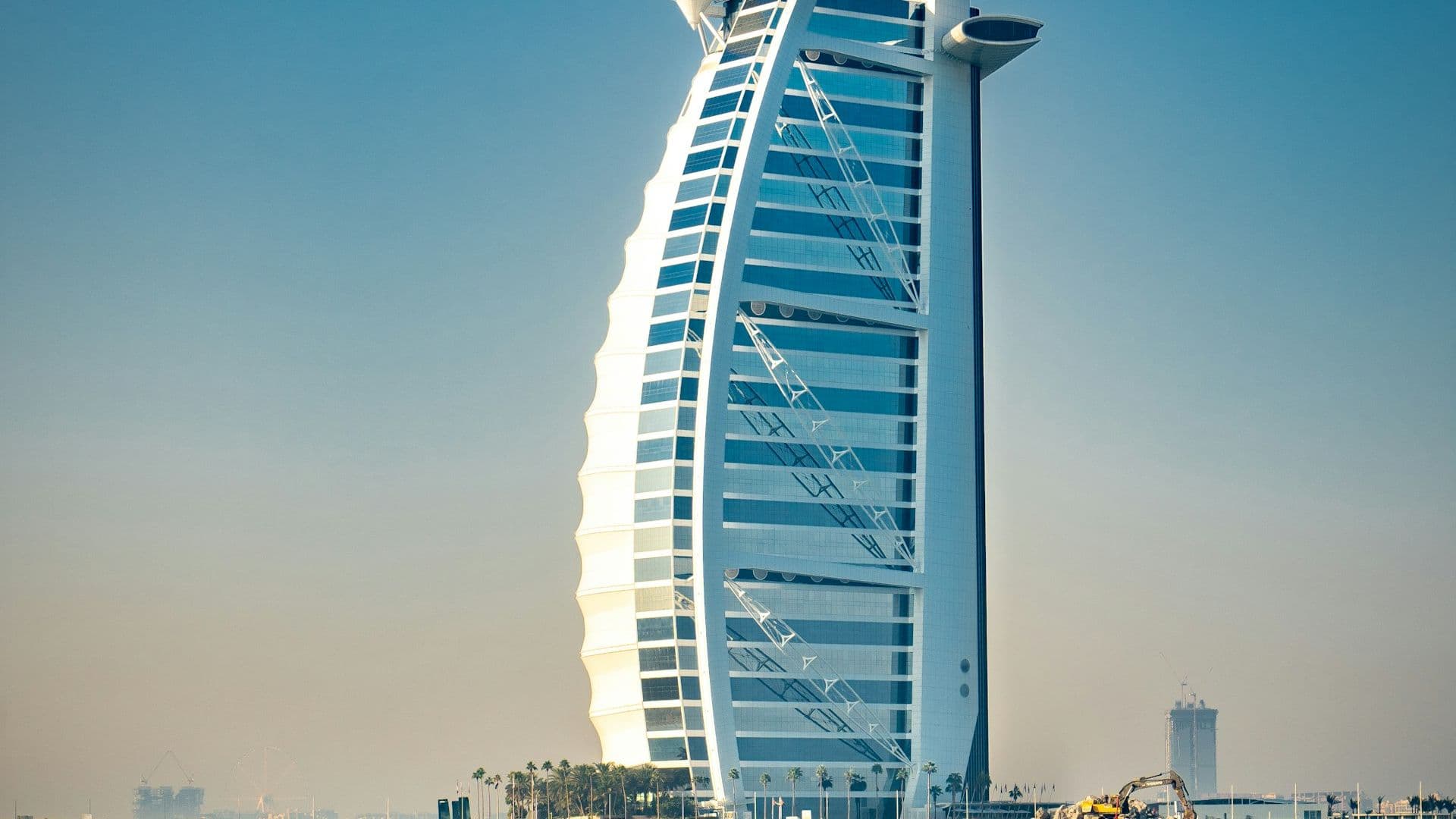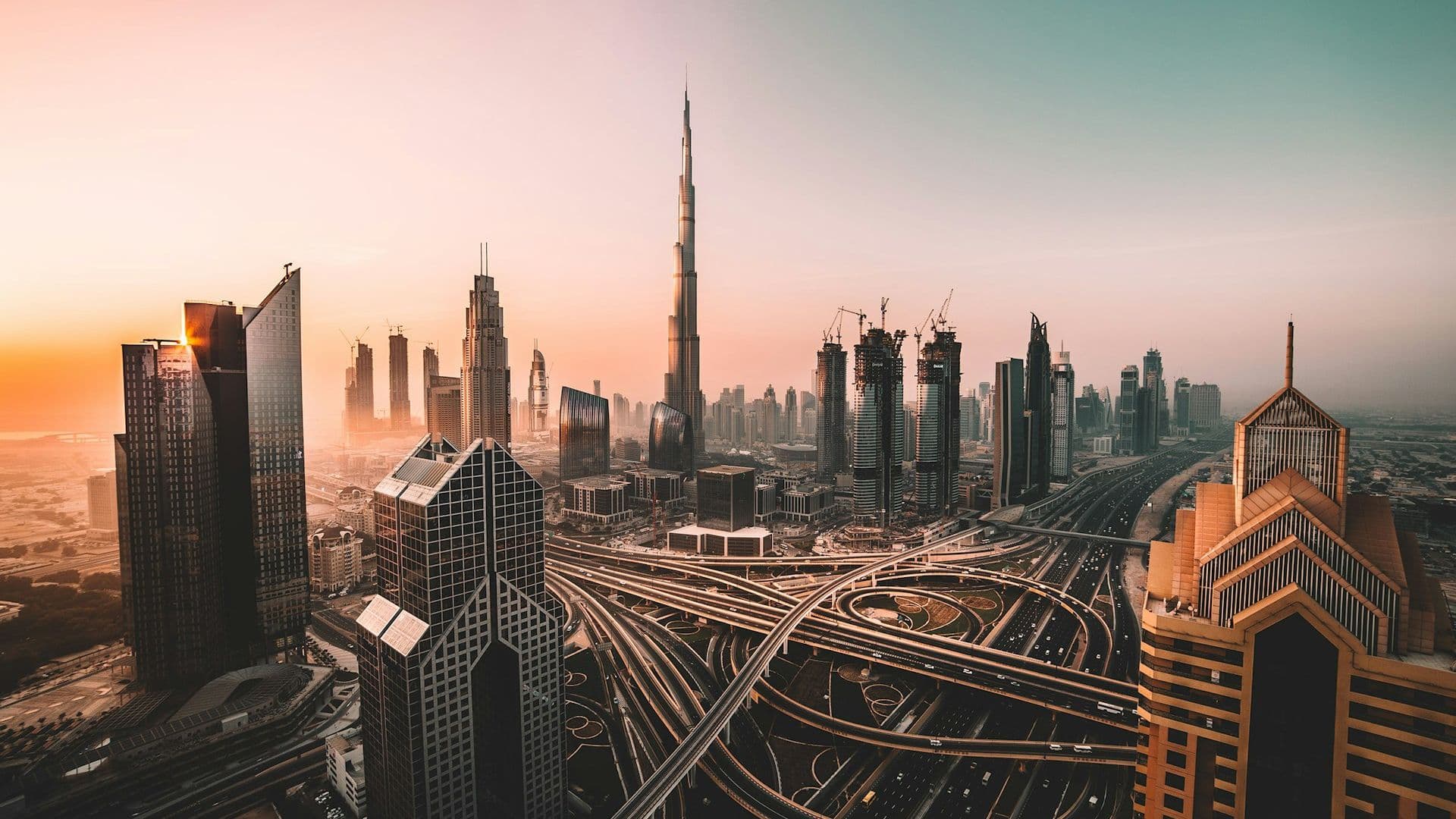
Dubai's real estate market continues its remarkable upward trajectory in 2026, driven by strong population growth, government-friendly investor policies, and the emirate's solidified position as a global business hub. Transaction volumes in the first quarter have already surpassed the same period in 2025, with total sales value crossing AED 120 billion — a clear indicator that confidence in the market remains robust across both end-users and investors.
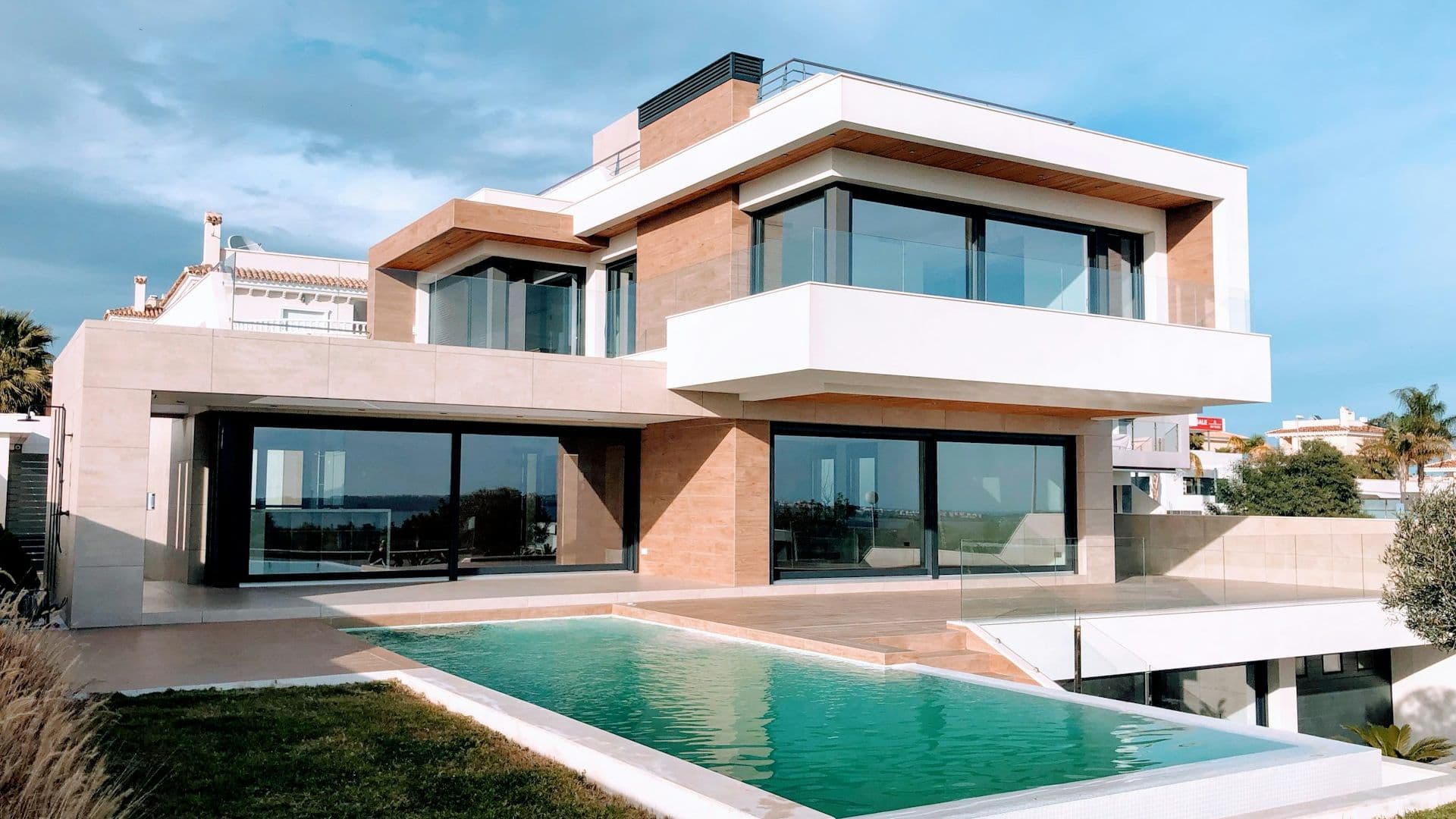
The luxury segment has been the standout performer, with properties in Palm Jumeirah, Emirates Hills, and Downtown Dubai commanding record per-square-foot prices. Villa prices in prime locations have appreciated by 18-22% year-over-year, while apartments in key areas like Dubai Marina and Business Bay have seen steady 12-15% growth. The introduction of the Golden Visa program expansion and the new retirement visa have further fueled international demand, particularly from European and Asian buyers seeking residency-linked investments.
For investors looking at 2026, the off-plan market presents compelling opportunities. Developers are offering attractive payment plans — many extending post-handover — making entry points accessible for first-time buyers. Areas like Dubai South, Dubailand, and Mohammed Bin Rashid City are emerging as high-growth corridors with significant infrastructure development planned. The Dubai Metro expansion and new road networks are expected to enhance connectivity and drive value appreciation in these previously underserved areas.
The rental market also remains strong, with yields averaging 6-8% across the emirate — significantly higher than comparable global cities like London (3-4%) or Singapore (2-3%). Short-term rental regulations have matured, offering landlords flexibility to tap into the tourism-driven holiday rental market. With Expo City Dubai continuing to attract businesses and the tourism sector targeting 25 million visitors annually, the fundamentals supporting Dubai's real estate market have never been stronger.